Probably one of the least popular vegetables, beets are available year round and can be found in the produce aisles of most supermarkets. They come in various shapes and sizes and are mostly recognized after their signature crimson color, but beets come in golden too, and this variety is slightly less sweet compared to red beets.
Particular about beets’ nutritional content are betalains, a type of phytonutrients that provide unique antioxidant and detoxification advantages. Beets contain a higher concentration of betalains compared to other foods, which makes them quite unique and highly beneficial.
Beets are low in calories with an amount of 43 calories per 100 grams of vegetable and contain a proportion of 88% water. One of the main reasons that beet is such an excellent option for juices is the water content.
Beets Nutritional Profile
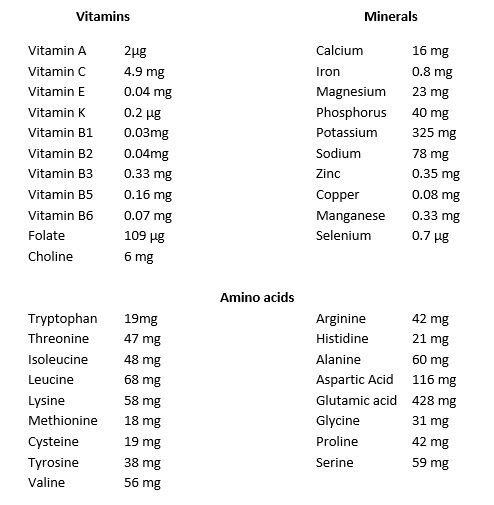
Why consume beet
It is for obvious reasons of great advantage to consume beet. A relevant source of various important vitamins and minerals, and also a good source of fiber (2.8 g per 100 g beet), beets provide many benefits and have been associated with preventing and aiding a number of health conditions.
Blood pressure – Beets naturally contain nitrates, which is a salt of the nitric acid that converts into nitrix oxide in the body. Nitrix oxide improves blood flow and lowers blood pressure. Drinking beet juice is a natural way to control blood pressure.
Inflammation – The betaine content present in beet plays a relevant role in aiding inflammation in the body. Betaine is a relevant nutrient that also protects internal organs and cells.
Cancer – The primary compound in beets that helps the body fight against cancer is betacyanin, a pigment that studies have shown to inhibit the growth of cancer cells in relation to skin cancer, colon cancer and various other forms of the disease.
Fatigue – Certain natural foods are extremely good for fueling the body with supportive energy throughout the day, and beets contain a significant amount of carbohydrates, which helps the body function properly over extended periods of time and during physical activities.
Stroke – People with potassium deficiency are more prone to developing heart diseases, subsequently more inclined to having a stroke. Eating beet or drinking beet juice reduces the risk of stroke due to the high potassium content which represents 7% (per 100 g) of the daily recommended intake.
In addition to protecting against low blood pressure, inflammation, cancer, fatigue and strokes, beet is also considered a blood cleanser and a detoxifying vegetable. Beet juice especially rids the body of toxins, detoxifying the liver and the digestive system.
Beet can be juiced in combination with other vegetables and/or fruits for improved flavor, taste and nutrition. Beet juice should be consumed immediately after preparation and preferably before meals. Drinking a glass of beet juice 30 minutes before a meal can aid an upset stomach, and the juice is also recommended prior to working out for increased muscle power.