Black pepper is a plant-derived spice used in India since prehistoric times and considered in Chinese cuisine the Yang in the family of condiments. However, there is more to piper nigrum than just seasoning and preserving.
Black pepper is widely considered by nutritionists and researchers as more than just a popular, common ingredient that adds flavor and spice to our plates. Various studies show the benefits of consuming black pepper on a regular basis and records also indicate a long history of medicinal use.
Black pepper as Ayurvedic medicine
One of the many eastern spices that have been a part of folk medicine for a long time, black pepper is an important Ayurvedic spice, rendered as one of the most efficient for treating indigestion, toothaches, constipation, insomnia and even aiding heart disease.
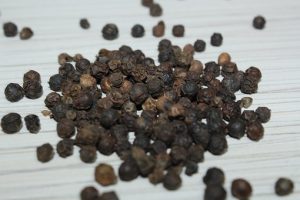
In Ayurveda, black pepper has a very important culinary use both as peppercorns and as essential oil. And moreover, the oil is associated with therapeutic benefits when diffused or inhaled. Black pepper essential oil is very popular among athletes who use it to relieve muscle soreness and tension. It can be combined with a variety of other essential oils for extra benefits.
Ayurvedic benefits of black pepper essential oil
- Easing mental stress and stiff muscles.
- Reducing feelings of nausea.
- Improving oxygen circulation to the brain.
- Supporting digestion.
- Treating lower back pain.
Black Pepper in Chinese medicine
Traditional Chinese medicine attributes warming properties to black pepper, and in China, the spice is recommended in cases of abdominal pains, diarrhea and helping blood circulate in the body.
Chinese medicine recommends foods according to the five flavors, which are sweet, sour, salty, bitter and pungent, black pepper falling into the pungent or spicy category and being associated with tonifying Yang. According to Chinese medicine, Yang deficiency manifests as cold sensations in various parts of the body, difficulty in urinating and, in some cases, female sterility and general edema.
Chinese-inspired Western cuisine promotes various foods with black pepper that help tonify Yang and recommends avoiding some foods that are believed to deplete the body of Yang energy. Warm dishes such as soups and stews are recommended in cases of Yang deficiency, while raw and fridge-temperature foods are to be avoided.
Black pepper benefits according to Western research
Modern study related to breast cancer indicates that piperine – the primary chemical in black pepper, along with curcumin “could be potential cancer preventive agents,” taken both separately or combined.
The research found that curcumin and piperine taken at levels twice or higher of what is consumed through regular, daily diet can reduce and even inhibit completely cancer stem cells.
Another study from 2013 again ties black pepper to “chemoprevention and controlling the progression of tumor growth” in addition to recognizing antioxidant properties and its role in promoting cognitive skills and the absorption of nutrients in the body.
It has long been considered that in relation to health is not only the foods people eat but also the body’s ability to absorb what is consumed. Even with perfectly healthy diets, if the body is unable to assimilate the nutrients, health problems can still occur, and this is where black pepper can prove its worth.
Interesting Facts on black pepper
- Black pepper was used as currency, tribute and sacred offering in ancient times.
- In the early Medieval Europe, black pepper became the epitome of fine cuisine and all throughout the Middle Ages a man’s stockpile of pepper determined his wealth.
- Pepper trade led to the discovery of many lands and to the development of many European cities.